

Latvian Coastline: Impact, Benefit, and Global Warming Scenario
The Beauty and Significance of the Latvian Coastline
Latvian Coastline and Global Warming are becoming increasingly interconnected as climate change threatens this nearly 500-kilometre stretch along the Baltic Sea and the Gulf of Riga. This natural treasure holds ecological, economic, and cultural value. The Baltic Sea, formed 10 to 15 thousand years ago, is a unique environment with low salt content. It supports diverse marine life such as porpoises, ringed seals, cod, and salmon. In addition, the coastline’s pristine beauty and varied landscapes make it a cherished part of Latvia’s natural heritage.


Economic and Recreational Benefits
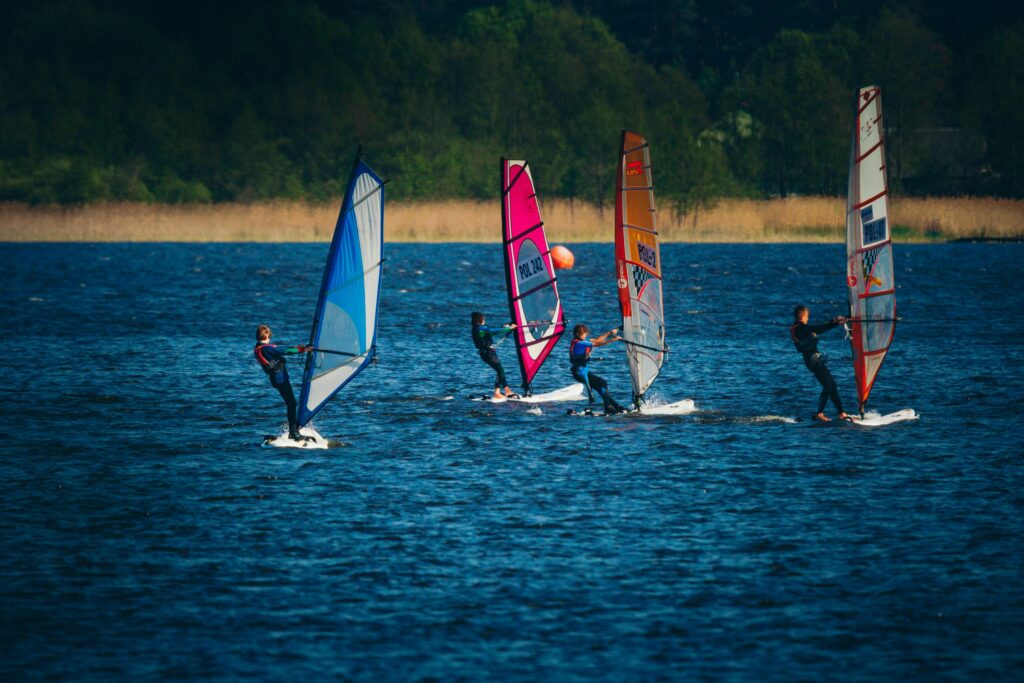
The Latvian coastline offers a wide range of recreational activities. People enjoy leisurely walks on sandy beaches, thrilling water sports, and even winter swimming. Moreover, landmarks such as Karosta in Liepāja, Kolka Cape, and Pape Nature Park attract visitors from near and far. These destinations contribute to the local economy through tourism.


The Latvian coastal trail, Jūrtaka, is part of the Baltic Coastal Hiking Route, providing an unforgettable experience for nature lovers. Economically, the Baltic Sea is vital for Latvia’s cargo transport, fishing, and coastal tourism. Major ports like Riga, Ventspils, and Liepāja serve as international trade hubs. Meanwhile, smaller ports support fishing and marina services. Furthermore, coastal tourism, strengthened by events like music festivals and fisherman’s festivals, drives economic growth and community development.
The Impact of Global Warming on Latvia
In contrast to many European countries facing deaths from extreme heat, Latvia’s climate offers a natural buffer. The country experiences a semi-continental climate with cold winters and mild, rainy summers. Coastal areas remain more temperate, although they are humid and windy. On the other hand, the eastern region is slightly more continental. This diverse climate helps reduce the impact of extreme temperatures.
Mitigation and Adaptation Efforts
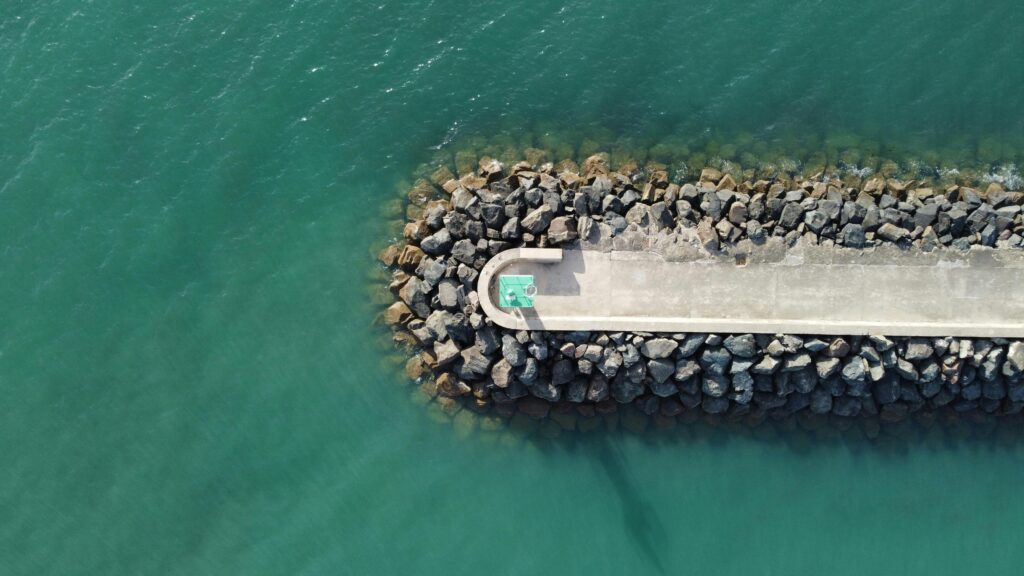
To face global warming challenges, Latvia engages in both mitigation and adaptation measures. These include sustainable coastal management, new protection infrastructure, and conservation of marine ecosystems. As a result, Latvia reduces carbon emissions while strengthening the resilience of coastal communities. In this way, the coastline is safeguarded for future generations.


Moreover, Latvia takes part in international climate initiatives. Collaborations with neighbouring countries in the Baltic Sea region are equally important. Through collective action and shared knowledge, Latvia contributes to the global fight against climate change and works to protect its precious coastal environment.
Reference: GOOD NEWS FROM LATVIA
Shehzad Khan
Ambassador, MISSION Latvia